Icon All
courses
Feedback from state-certified mountain guides

Practice the correct application on the mountain
Learn to make the right decisions
Feedback from state-certified mountain guides
Practice the correct application on the mountain
Learn to make the right decisions

Integrative avalanche awareness

A holistic approach for safe tours

Integrative avalanche awareness is an approach to snow and avalanche training developed in Austria that integrates existing methods and systems and strives for a uniform doctrine for all relevant training organizations. It does not represent a new avalanche science, but combines the best of different approaches in order to optimize decision-making in avalanche-prone terrain.

"Make smart decisions."

Table of contents

Origin and objectives

The initiative to develop integrative avalanche training came from the Federal Ministry of Education, Science and Research, which initiated an initial meeting with representatives of the largest training organizations in Austria in October 2018. The aim was to create a common basis for avalanche training. This meeting gave rise to a working group, which worked closely together over the course of two years to develop integrative avalanche training.

Who is Integrative Avalanche Studies for?

Integrative avalanche awareness is not aimed at ski tour beginners or occasional tourers. It requires a certain level of specialist knowledge and experience and is designed for:
  • Instructors
  • Mountain guide
  • Experienced ski tourers with solid knowledge of snow and avalanche awareness


"Integration means the creation of a unit from individual elements, the incorporation into a whole.
An important topic, not only in avalanche awareness. It is probably the first time in history that a holistic approach to avalanche awareness has been successfully applied to all associations and clubs that train in leadership."
Albert Leichtfried

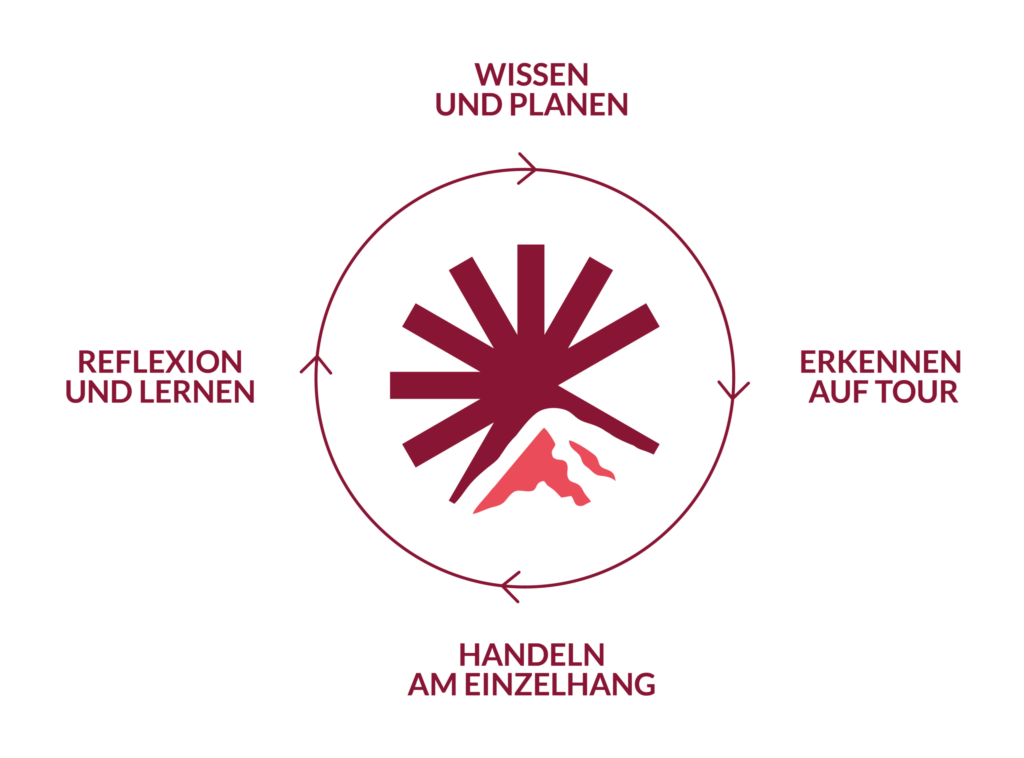
#1 Planning

Detailed tour planning taking into account:

  • Conditions: Analysis of the avalanche report, weather report, snow profiles, and own observations
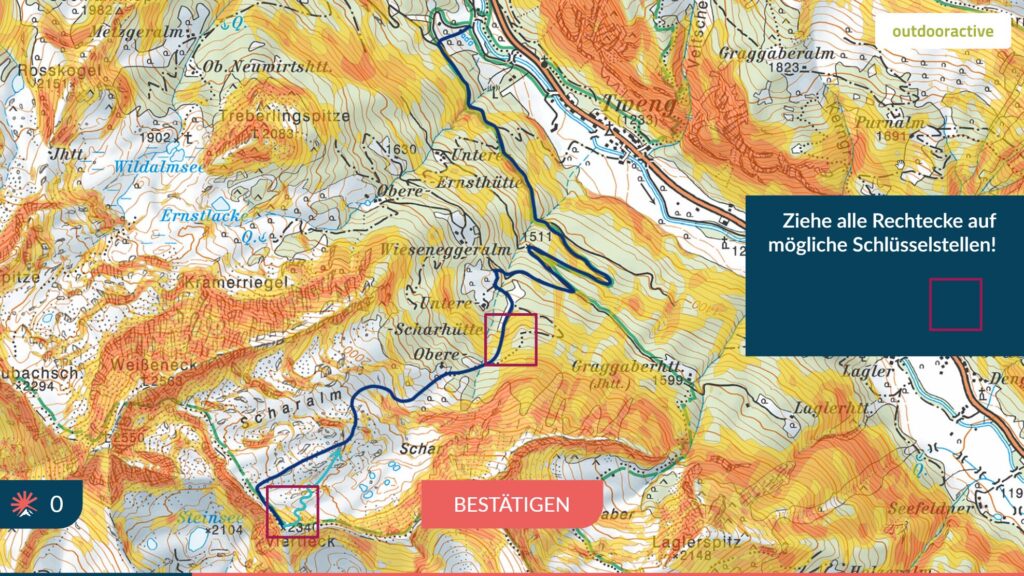
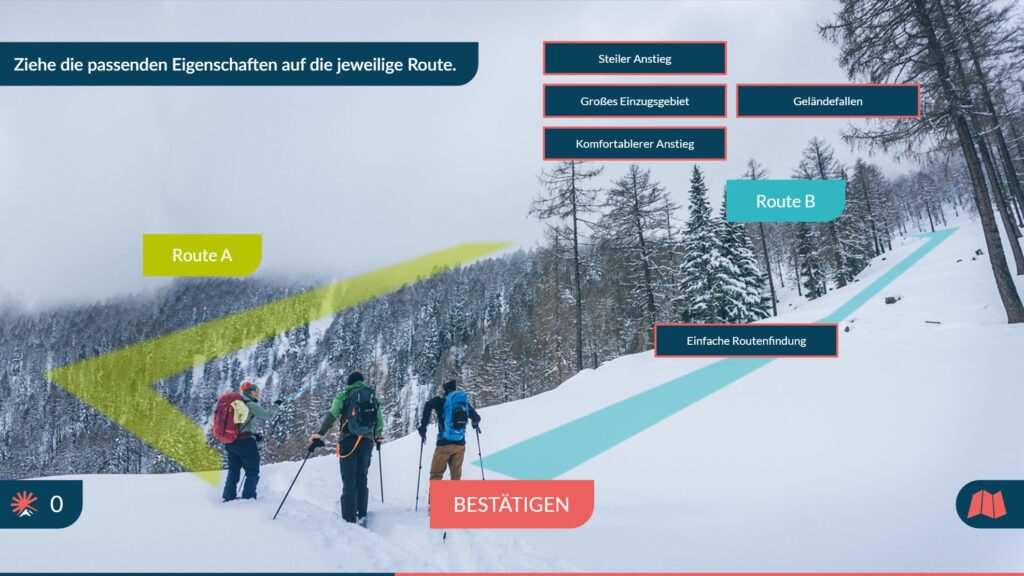
  • Terrain: Map study, identification of key points, decision points, and alternatives
  • People: Consideration of participants' goals, motives, skills, and group dynamics


Graphical Reduction Method (GRM)
as a planning framework with flexible application

#2 Decide

  • Criteria-based assessment of avalanche probability and consequences at key locations
  • Structured decision-making process that weighs up the avalanche situation, the danger, and the consequences
  • Conscious decision not to use algorithms and rigid decision-making rules
  • Appropriate measures to reduce risk, including canceling the tour

#3 Learning

  • Reflection as a central component of the learning process
  • Debriefing with the group to jointly analyze the tour
  • Self-reflection by the tour guide to critically evaluate their own decisions and actions
  • Gaining insights for future tours and further developing one's own skills

Integrative avalanche awareness and other methods


Integrative avalanche awareness is not intended as a replacement for existing methods, but as a supplement and extension. It strengthens the analytical approach, but at the same time retains reduction methods in tour planning. This means that different approaches such as Stop or Go, W3 or Snowcard can coexist and complement each other.